In the bustling industrial heartland of Shandong Province, China, ZongXiang Steel Co., Ltd. stands as a beacon of metallurgical excellence. Founded in 2005, the company has carved a niche in producing high-grade steel plates, renowned for their durability and precision engineering. With state-of-the-art rolling mills and a workforce of over 1,500 skilled artisans, ZongXiang supplies everything from shipbuilding sheets to construction-grade armor plates. Their commitment to quality—certified under ISO 9001 and ASTM standards—has fueled partnerships across Asia and Africa. But in October 2025, ZongXiang embarked on its most ambitious venture yet: exporting a landmark batch of 5,000 metric tons of hot-rolled steel plates to Zambia, Africa's rising copper giant.
The deal's genesis traces back to the China-Zambia Investment Forum in Lusaka last September. Amid discussions on deepening bilateral ties—where China exported $421 million more to Zambia than it imported in 2022—ZongXiang's export director, Li Wei, connected with representatives from Zambia's Ministry of Mines and Minerals Development. Zambia, with its booming mining sector and infrastructure renaissance, faces a voracious appetite for steel. In 2023 alone, the country imported $277.72 million worth of iron and steel, with China commanding a 47% market share, per UN COMTRADE data. This batch, valued at $2.5 million, targeted Zambia's construction surge, including the expansion of the Kafue Gorge Lower Power Station—a $2 billion Sino-Zambian hydroelectric marvel funded largely by China's EximBank.
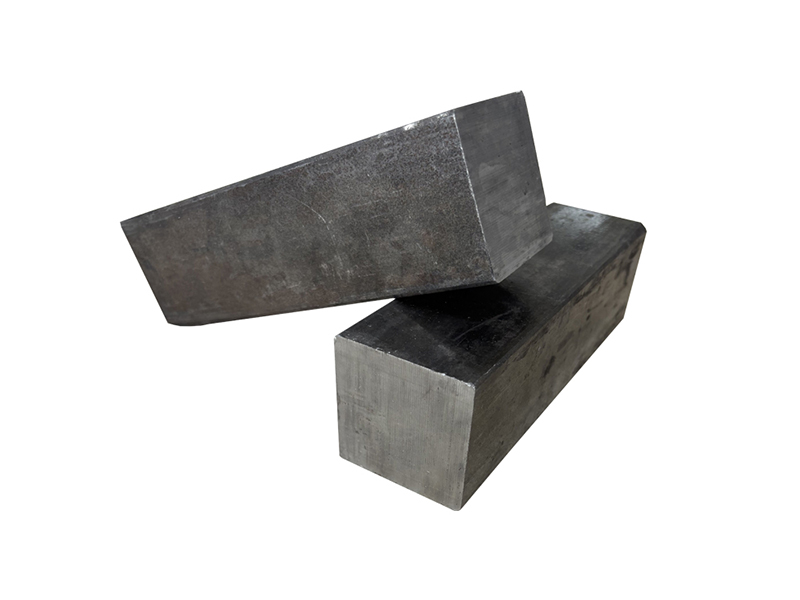
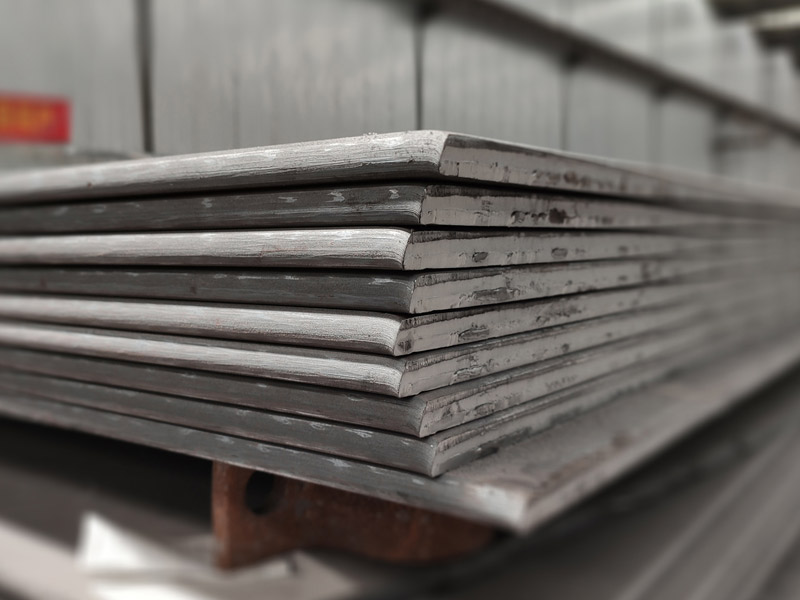
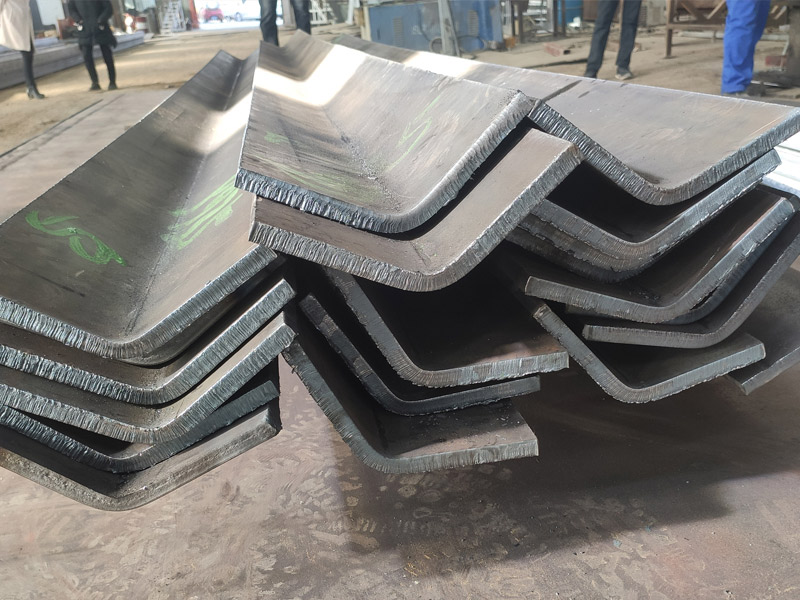
Preparation was meticulous. At ZongXiang's 300,000-square-meter facility in Qingdao, engineers calibrated the plates to exact specifications: 10-50mm thick, 1,500-3,200mm wide, with tensile strengths exceeding 500 MPa, ideal for Zambia's heavy-duty applications like bridge girders and mining conveyor frames. Raw billets, sourced from Baowu Group's vast reserves, underwent electric arc furnace melting, followed by continuous casting and multi-pass rolling. Quality checks were rigorous—ultrasonic testing for internal flaws, spectral analysis for alloy composition (primarily low-carbon steel with trace manganese for corrosion resistance), and mill certificate issuance for traceability.
Sustainability was paramount. ZongXiang integrated green practices, recycling 95% of scrap metal and employing energy-efficient reheating furnaces that slashed CO2 emissions by 20% compared to industry averages. This aligned with Zambia's Vision 2030 blueprint, emphasizing eco-friendly imports to support its net-zero ambitions in mining. Packaging followed international norms: plates bundled in wooden seaworthy crates, secured with steel straps, and coated in anti-rust VCI film to withstand the 25-day ocean voyage. "Our steel isn't just strong; it's a bridge to mutual prosperity," Li Wei remarked during loading at Qingdao Port, where cranes hoisted the cargo onto the MV Harmony Star, a 12,000 TEU vessel chartered from COSCO Shipping.
The shipment's route was a testament to Sino-African logistics prowess. Departing Qingdao on October 15, it traversed the Indian Ocean, docking at Dar es Salaam, Tanzania, for transshipment before the final leg up the Zambezi River to Lusaka's inland container depot. En route, real-time GPS tracking and blockchain-verified documentation ensured compliance with Zambia Revenue Authority protocols, including 5% import duties and phytosanitary clearances. Challenges arose—tropical storms delayed the vessel by 48 hours—but ZongXiang's on-call support mitigated risks, rerouting via satellite comms.
Upon arrival on November 5, 2025, the consignment was greeted with fanfare. Zambian Customs cleared it swiftly, thanks to pre-shipped manifests and a Certificate of Origin under the Forum on China-Africa Cooperation (FOCAC). Recipients, a consortium led by Zambia National Service (ZNS) and local fabricator Afro-Steel Ltd., offloaded the plates at Kitwe's industrial park. Initial inspections confirmed zero defects; the steel's uniformity promised to accelerate the $500 million Luapula Bridge project, connecting remote mining communities to global markets.
This export marks a milestone for ZongXiang, boosting their African revenue by 15% and forging a long-term supply pact for quarterly deliveries. For Zambia, it underscores diversification from Asian overreliance—Tanzania's recent nod to import from Zambia's new 300,000 mt/year plant hints at regional synergies. Yet, it's more than commerce; it's a chapter in enduring friendship. As President Hakainde Hichilema noted in a recent address, "China's steel builds our dreams." ZongXiang's plates will soon form the backbone of Zambia's infrastructure, symbolizing resilience amid global flux. In a world of trade wars and supply chain snarls, this batch reaffirms that steel—forged in collaboration—binds nations as surely as it constructs bridges.